
The presentation starts with a quick review to remind client where we’ve been and how their direction has influenced the solution.
Discovery Process
We worked collaboratively to capture your current landscape and frame key decisions for your brand’s future direction. It is a process to help me understand your world through your insights—what you hear, feel, and see.

I don’t spend much time on the review. It’s just enough to remind the team of their contributions, and how they directed the work.

Again, not a thorough review, just a reminder. So a simple screenshot of a client working session can often be enough.

I’ve found this Foundation Words exercise to be really impactful. Before revealing the design, I’ll spend some time revisiting the words they identified, highlighting the ones that connect most directly to what they’re about to see.


Brand architecture is foundational. It’s one of the first things I identify and define, so I like to review the architecture we arrived at since it is the structure we are building on.

The big idea establishes the core of what we’re after. It’s strategic and emotive. The solution needs to align.
The Big Idea
Grace & Truth
Together
And the Word became flesh and dwelt among us, and we have seen his glory, glory as of the only Son from the Father, full of grace and truth
John 1:14

I’ve found that reviewing the mood board is a valuable step in connecting discovery and direction to the final solution. I involve the client in building it so the mood is something we’ve developed together.
At this stage, they’ll recognize images and ideas they contributed. I also include images that inspired the solution, along with colors or fonts that reinforce the direction and introduce elements they’ll see shortly.
This helps the client see how their input shaped the solution I’m about to present. It also sets up the reveal by giving them a concrete sense of what to expect.

Showing the depth and scope of the work helps reassure them that we did our homework and explored a wide range of possibilities. It builds confidence that the one solution we’re presenting was thoroughly considered.
I don’t linger here. The point of showing this messy work is to demonstrate the breadth of exploration, without inviting them to pick out another idea they like and turn it into an option for discussion.

After setting the stage by showing the client how they provided the direction, helped define a clear target, and guided my work, I remind them that we’re looking for one right solution—and let them know I’m confident we’ve found one.
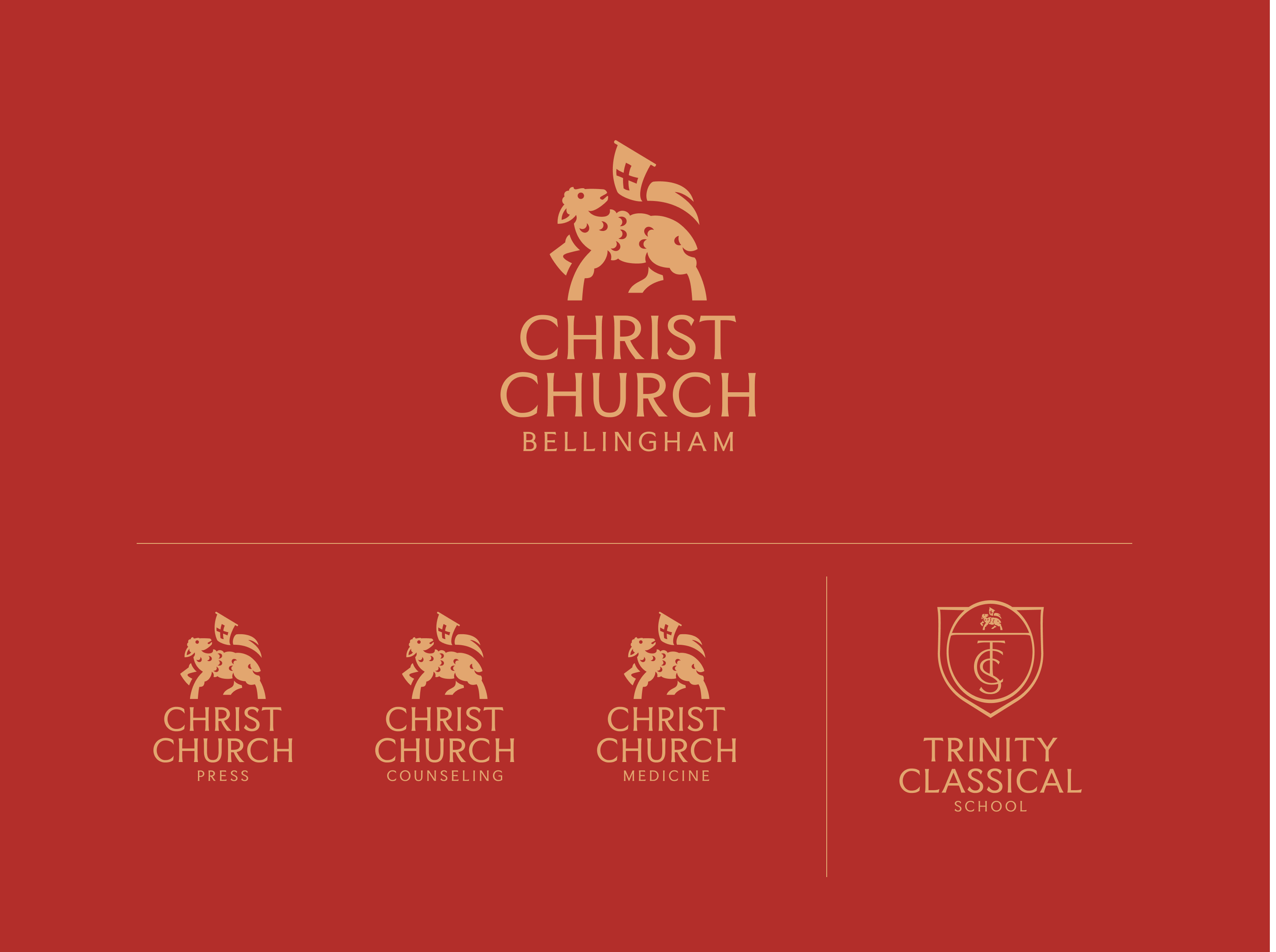
I then reveal the solution, which by this point feels quite inevitable.
The Logo System



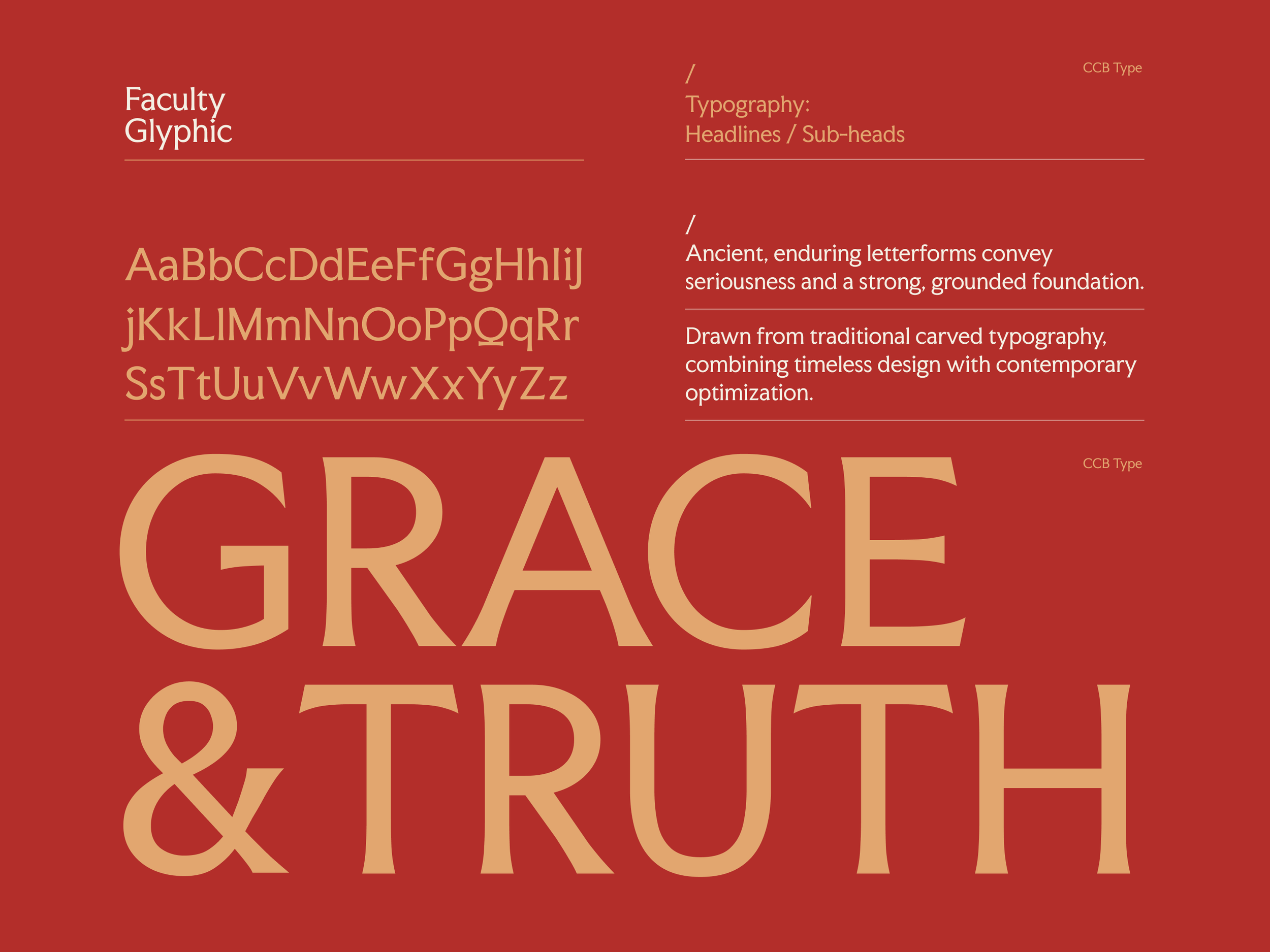

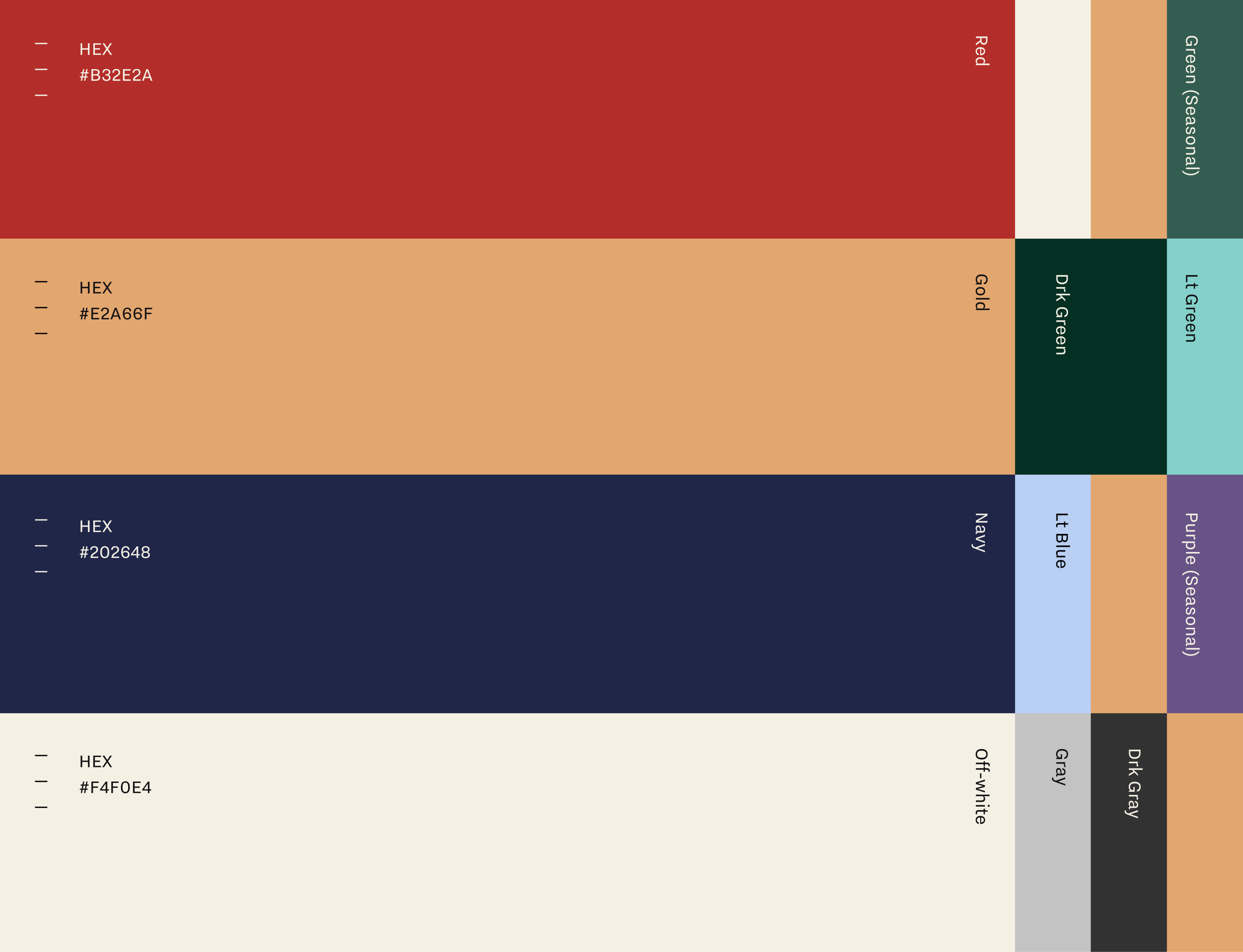
The remaining part of the presentation is proving why it is a right solution.
I continue to point back to the target they built, how they guided the direction. I want them to see how this was their idea.
The one solution approach allows for me to put my time into stress testing and insuring it works how they need it to. This in itself is what gives me the confidence to present it as the solution. I won’t present anything until I’ve found something that works.
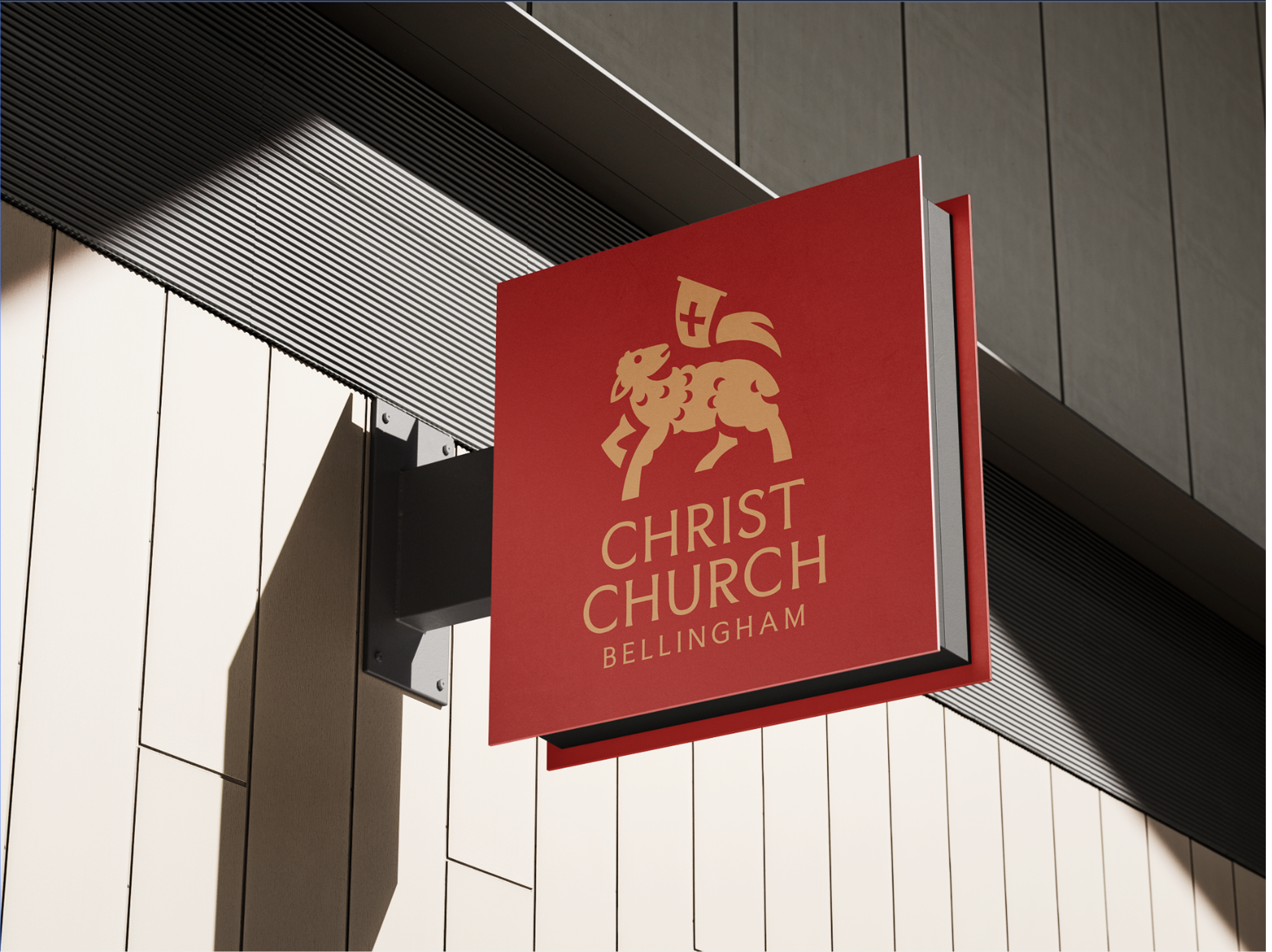
Application.
—tone / voice / look & feel


Trinity Classical School
—Forming Children in Love


Christ Church Press
—God Gives the Growth.


Medicine & Counseling

